L--hydroxy--trimethylaminobutyric acid(R)-3-Carboxy-2-hydroxy-N,N,N-trimethylpropan-1-aminium inner salt Density 0.64 g/cm4 Chemical Formula C7H15NO3 Appearance White crystalline or crystalline powder with a slight fishy odor4 Molecular Weight 161.20 Application Widely used as a food additive in infant formula, weight-loss foods, sports foods, nutritional supplements for the elderly, nutritional fortifiers for vegetarians, and animal feed additives4 CAS Registry Number 541-15-1 Safety Description S26, S36, S37/394 EINECS Number 208-768-0 Hazard Symbol(s) Xi4 Melting Point 197 to 212 C Hazard Statement(s) R36/37/384 Boiling Point 287.5 C Research History Research on L-carnitine began in the early 20th century
The multi-center, randomized, double-blind, placebo-controlled trial involved a total of 232 diabetic patients (aged 18-70 years) diagnosed with DPN and presenting with abnormal nerve conduction velocity (NCV) in at least one nerve of the extremities
El cliente ve menos cambios visibles por sesin de lo que el tratamiento debera producir
Suitable for: All skin types, professional and retail use
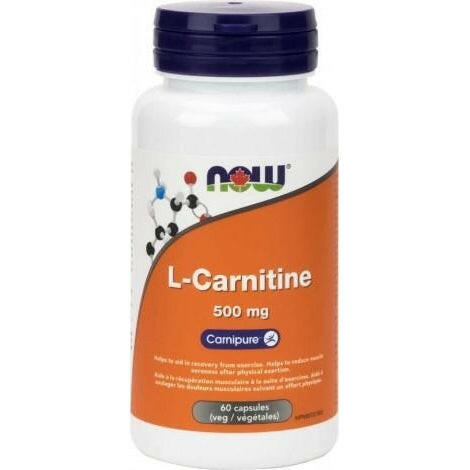
Healthline refers to it as the standard biologically active form of carnitine




:max_bytes(150000):strip_icc()/health-GettyImages-2025836701-ce3f5ccf0f98428e9d14abaeb07ba307.jpg)