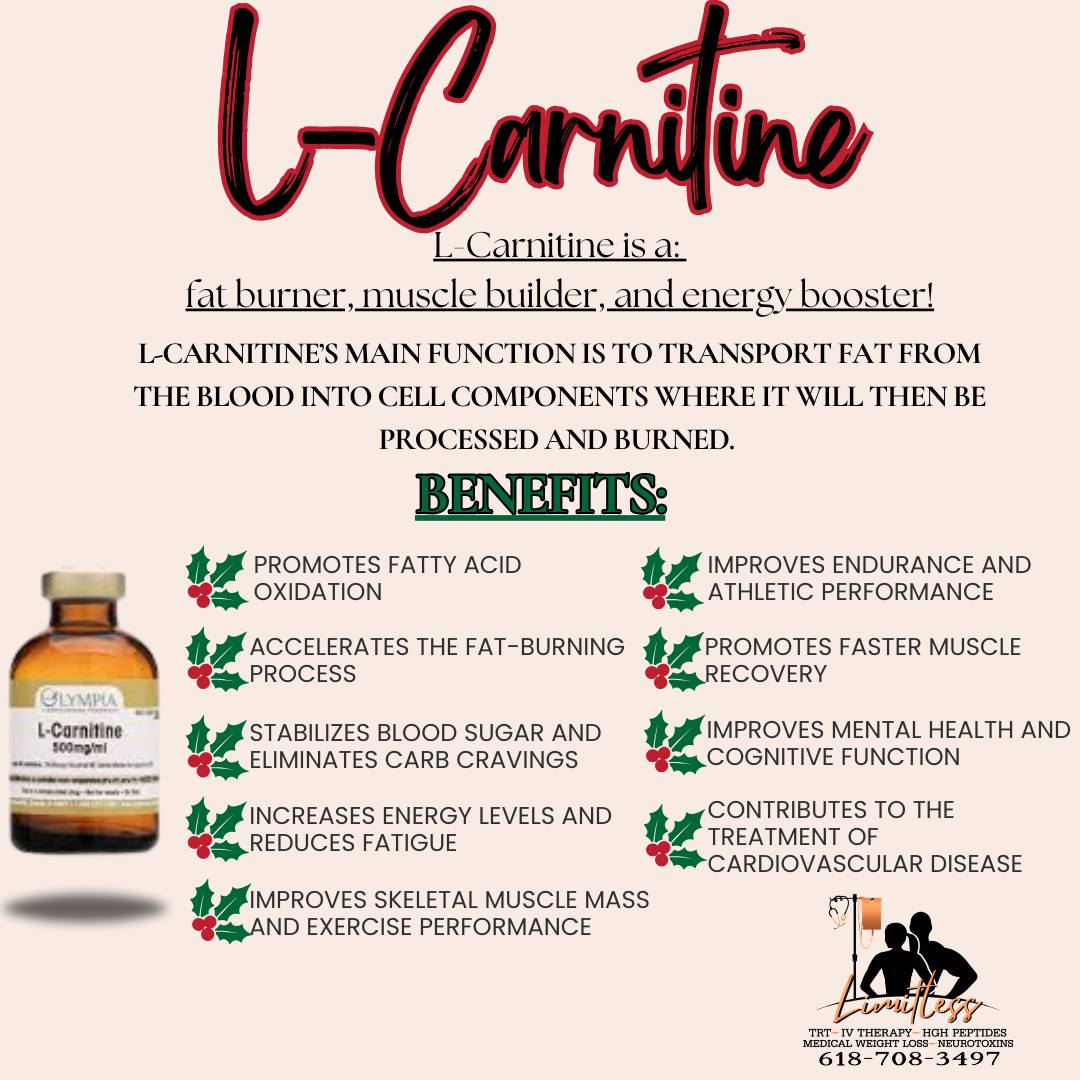
Ongoing Research L-Carnitine remains an active area of investigation across metabolism, exercise science, cardiovascular physiology, aging research, and mitochondrial biology
x, any amino acid) sequence motif in ZNG1 not present in bacterial homologues, and an N-terminal Cys 6 His 2 cross-brace zinc finger (ZF) structure in METAP1 (Figure 50A)
[169] (2010) who demonstrated that acute inflammation following intraperitoneal lipopolysaccharide injection inhibited proliferation of taste progenitor cells as indicated by reduced expression of Ki67 (antigen Ki67), a cell proliferation marker, resulting in a decreased number of new taste cells
Obesity exacerbates the inflammatory state and promotes follicular occlusion, while hyperlipidemia may amplify inflammation through oxidative stress and impaired immune resolution [4, 26] (Fig
Whether for livestock, companion animals, or performance animals, L-Carnitine Injection remains a valuable component of modern veterinary care.