They are sold for research-only purposes
Inflate cuff rapidly to approximately 30 mm Hg above previous readings
Conditions Addressed with Peptide Therapy: Hormonal imbalances, including growth hormone deficiencies Immune system irregularities, such as autoimmune diseases or recurrent infections Musculoskeletal issues, including osteoarthritis Chronic pain conditions like fibromyalgia Neurodegenerative diseases, including Alzheimers or Parkinsons Challenges with wound healing and skin rejuvenation Sexual health concerns Peptide therapy offers a comprehensive approach to addressing various health concerns, promoting overall well-being through natural, targeted treatments

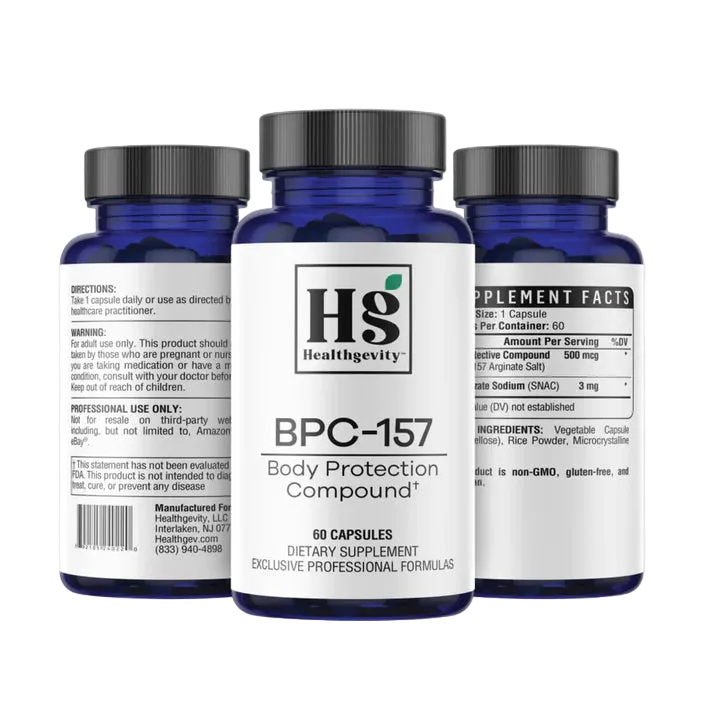
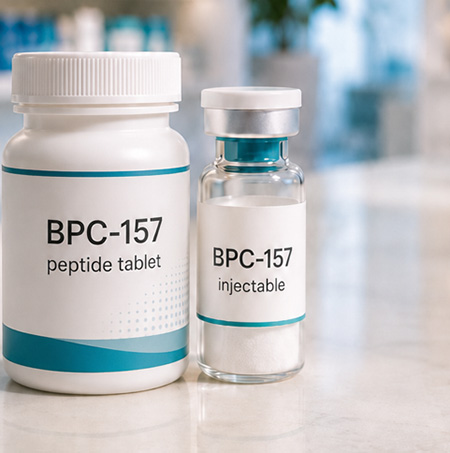
Safety Considerations and Contraindications Who Should Avoid BPC-157 Contraindications : Active cancer diagnosis (due to angiogenic properties) Pregnancy or breastfeeding Severe cardiovascular disease Known hypersensitivity to peptides Drug Interactions BPC-157 has minimal known drug interactions but may potentially interact with: Anticoagulant medications (enhanced healing may affect clotting) Immunosuppressive drugs Other growth factors or healing peptides Medical Supervision Requirements Consult healthcare providers before starting BPC-157 if you have: Chronic medical conditions Recent surgical procedures Blood clotting disorders Current prescription medications Our Clinics Experience with BPC-157 Dosing Through extensive clinical experience with BPC-157 protocols, weve observed optimal healing results with 300 mcg daily split dosing for most applications

BPC-157 + TB-500 BPC-157 + TB-500 Injectable BPC-157 + TB-500 (10mg/10mg) Injectable Category: Inflammation, Repair, & Recovery BPC-157 (Body Protective Compound-157) and TB-500 (Thymosin Beta-4) work synergistically to enhance the bodys natural healing, repair, and recovery processes


.webp)