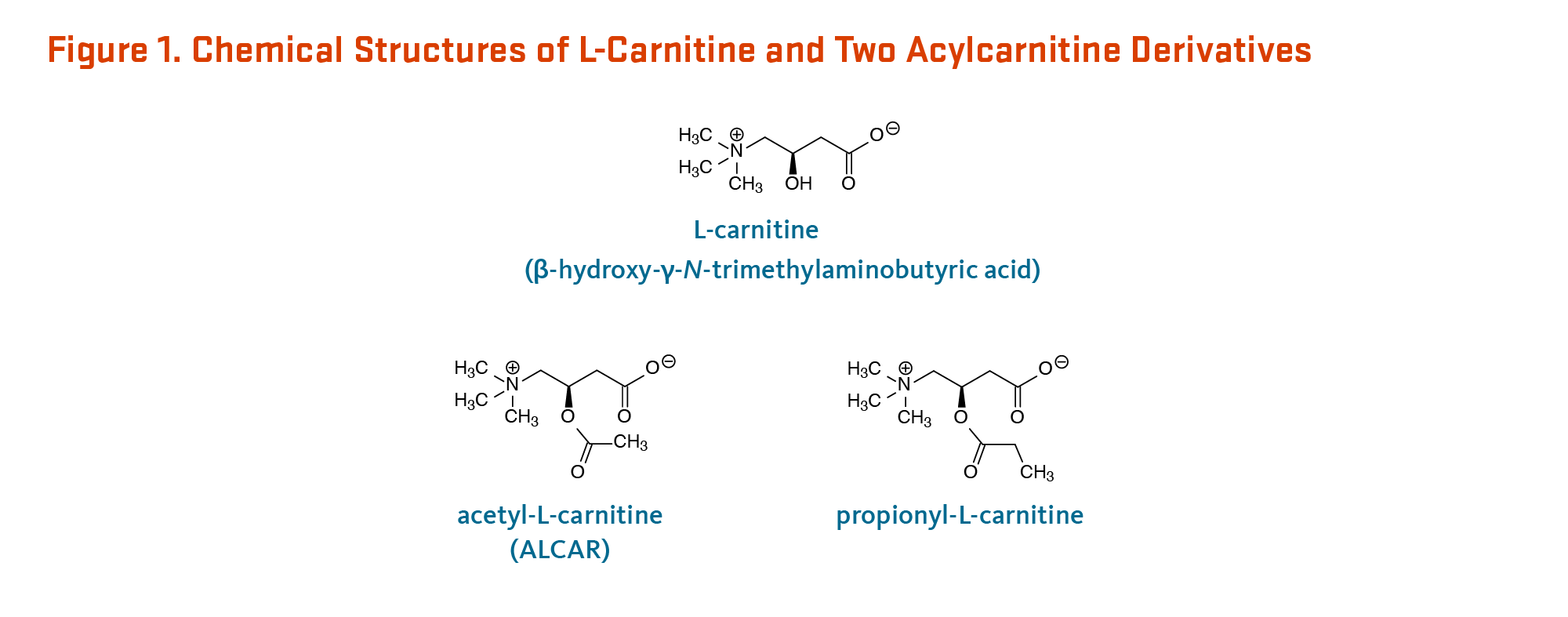
Cardiovascular Health L-carnitine has shown promise for heart health, with some research indicating it may improve cardiac function in certain populations, reduce oxidative stress, and support healthy blood lipid profiles
PMID: 35247050 Vet Microbiol The Chinese medicine monomer Schisandrin C inhibits PRRSV infection by regulating the OGT-PI3K/AKT/mTOR signaling pathway
Nutritional values per 350 ml serving: Energy value: 0 kcal Fat: 0 g - of which saturated fatty acids: 0 g Carbohydrates: 0 g - of which sugars: 0 g Protein: 0 g Salt: 0 g Orange juice: 80.5 mg L-Carnitine: 1000 mg Nutritional values per 100 ml: Energy value: 0 kcal Fat: 0 g - of which saturated fatty acids: 0 g Carbohydrates: 0 g - of which sugars: 0 g Protein: 0 g Salt: 0 g Orange juice: 23 mg L-Carnitine: 286 mg Consumption recommendation: Consume 1/2 bottle (350 ml) per day during physical effort or during the day between meals
Chronic oral administration of high doses of levocarnitine in patients with severely impaired renal function or end-stage renal disease (ESRD) and dialysis patients may lead to accumulation of the potentially toxic metabolites trimethylamine (TMA) and trimethylamine-N-oxide (TMAO), as these metabolites are normally excreted in the urine
Methionine metabolism is dependent on adequate levels of B12, B6, magnesium, and folate