Drink plenty of water beforehand, and if you feel uncomfortable, take a break
Common physical symptoms of panic attacks include: Cardiovascular symptoms : Rapid or pounding heartbeat (palpitations), chest pain or tightness, and feelings of the heart racing Respiratory symptoms : Shortness of breath, hyperventilation, or sensations of choking or being unable to breathe properly Neurological symptoms : Dizziness, light-headedness, feeling faint, or experiencing tingling sensations (paraesthesia) in the hands, feet, or face Gastrointestinal symptoms : Nausea, abdominal discomfort, or upset stomach Temperature dysregulation : Sweating, hot flushes, or chills Psychological symptoms often accompany the physical manifestations: Intense fear of losing control or "going mad" Fear of dying or having a heart attack Feelings of unreality (derealisation) or detachment from oneself (depersonalisation) Overwhelming sense of dread or impending doom Panic attacks typically last between 5 and 20 minutes, though the after-effects may persist longer

A comprehensive panel should include ferritin (aim above 70 g/L not the standard GP threshold of 12), vitamin D, zinc, full blood count, thyroid function, and hormonal profile
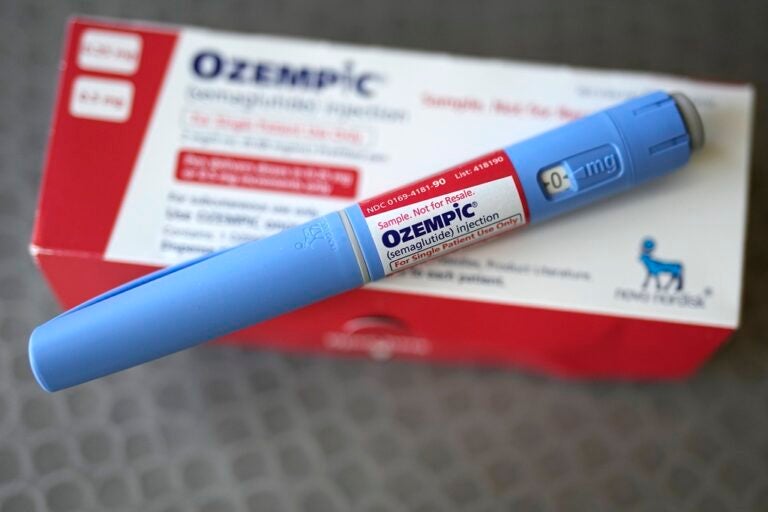
Reduce calorie intake by focusing on nutrient-rich meals, aided by semaglutides appetite-suppressing effects
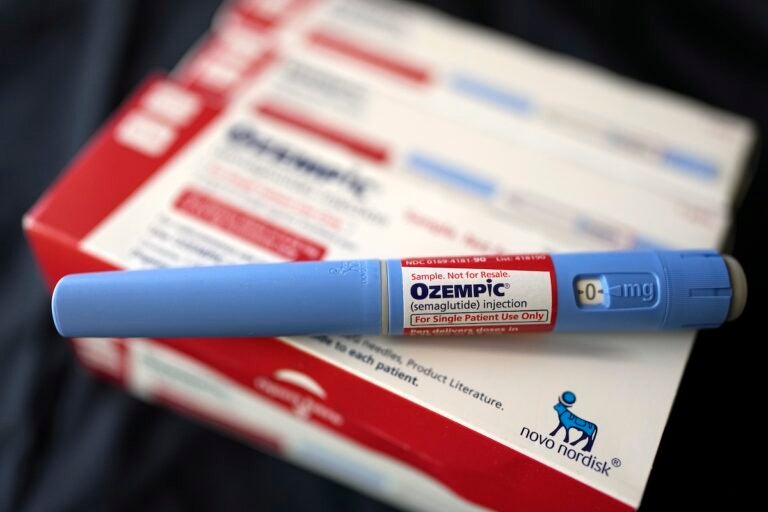
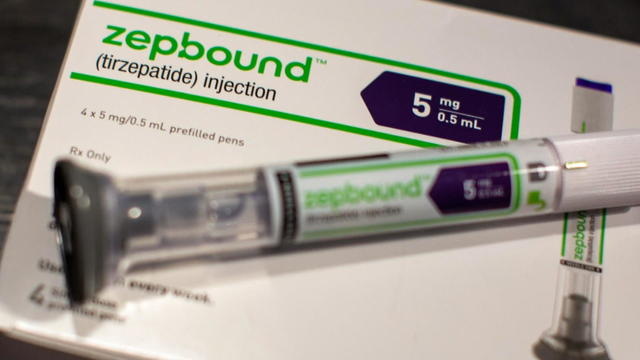
Previously, GLP-1 medications which mimic the naturally occurring hormone glucagon-like peptide-1, which regulates blood sugar, digestion, and hunger had been approved only to treat obesity in the form of weekly, home-administered injections