These are promising results, but the studys authors note that more research is needed, and clinicians must also consider potential adverse effects, evaluate the cost-effectiveness of these medications for each patient, and closely monitor for any improvement or worsening of eating disorders and related side effects. That hesitation is shared by the National Eating Disorder Association (NEDA), who published an opinion paper on GLP-1s and eating disorders in 2024, stating: While there is some evidence that GLP-1s can decrease the number of binge eating episodes for those with BED, little is known about the long term physical and psychological impact on those with eating disorders. How GLP-1s could also fuel eating disorders The same mechanisms that make these medications helpful for some could make them harmful for others

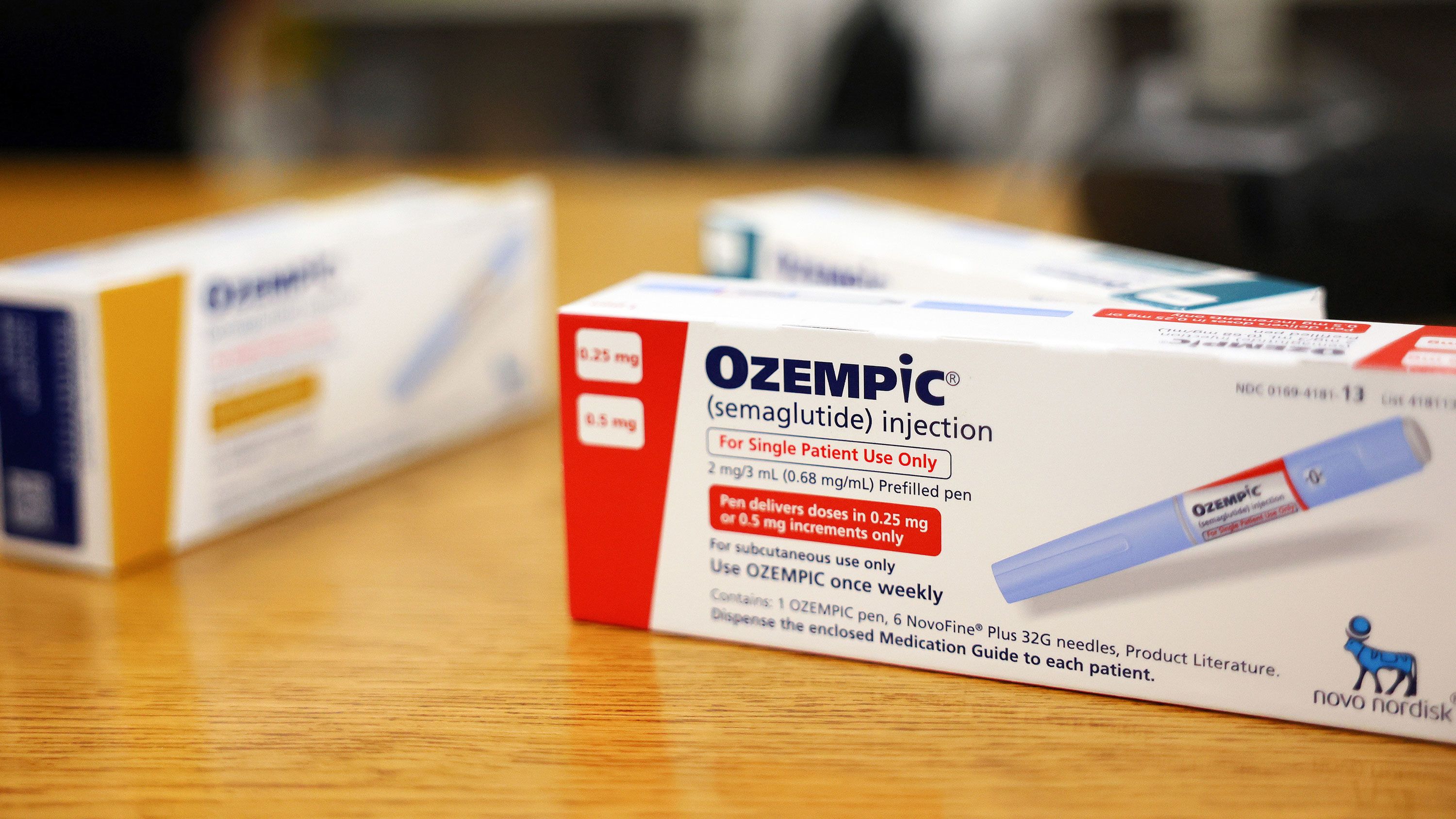
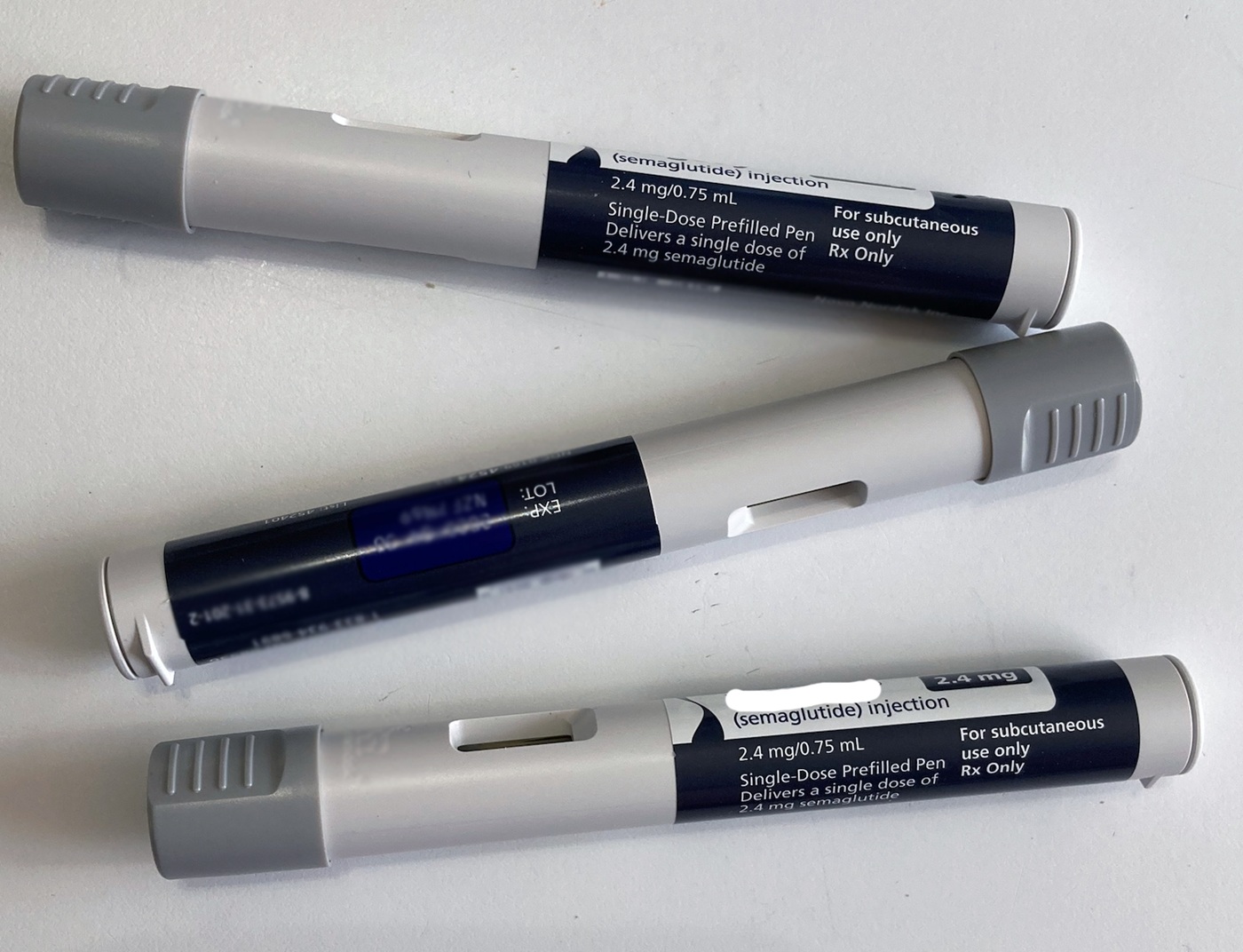
For those seeking advanced options, GLP-1 agonists are gaining popularity despite their higher cost, while combination therapies are proving effective for more resistant cases
A phase 2B clinical trial (HARMONY) revealed that efruxifermin, a bivalent Fc-FGF21 analog, improved hepatic inflammation and fibrosis over 24 weeks in patients with F2 or F3 fibrosis, with an acceptable safety profile, warranting further investigation in phase 3 trials (NCT04767529)
Physical Activity: Regular exercise complements the appetite-suppressing effects of GLP-1 agonists
A.ChenZ.et al