Key Takeaways Cagrilintide is a long-acting amylin analogue with clinical trial doses ranging from 0.3 mg to 4.5 mg weekly, while retatrutide is a triple agonist studied at 4 mg, 8 mg, and 12 mg weekly doses No published clinical trials currently exist evaluating the cagrilintide dosage with retatrutide combination, making any combined use experimental and off-label Both peptides work through different mechanismscagrilintide activates amylin receptors while retatrutide targets GIP, GLP-1, and glucagon receptorssuggesting potential complementary effects Gastrointestinal side effects (nausea, vomiting) occur in 60-80% of participants at higher doses for both compounds, raising concerns about additive effects when combined Proper dose escalation protocols spanning 8-20 weeks are critical for tolerability and adherence in peptide-based metabolic therapies Understanding Cagrilintide: Mechanism and Dosage Fundamentals What Is Cagrilintide

Exposure to outdoor elements, primarily ultraviolet (UV) irradiation and oxidative stress is the main cause for photoaging
Delenian S, Baillet F, Huart J, Lefaix JL, Maulard C, Housset M
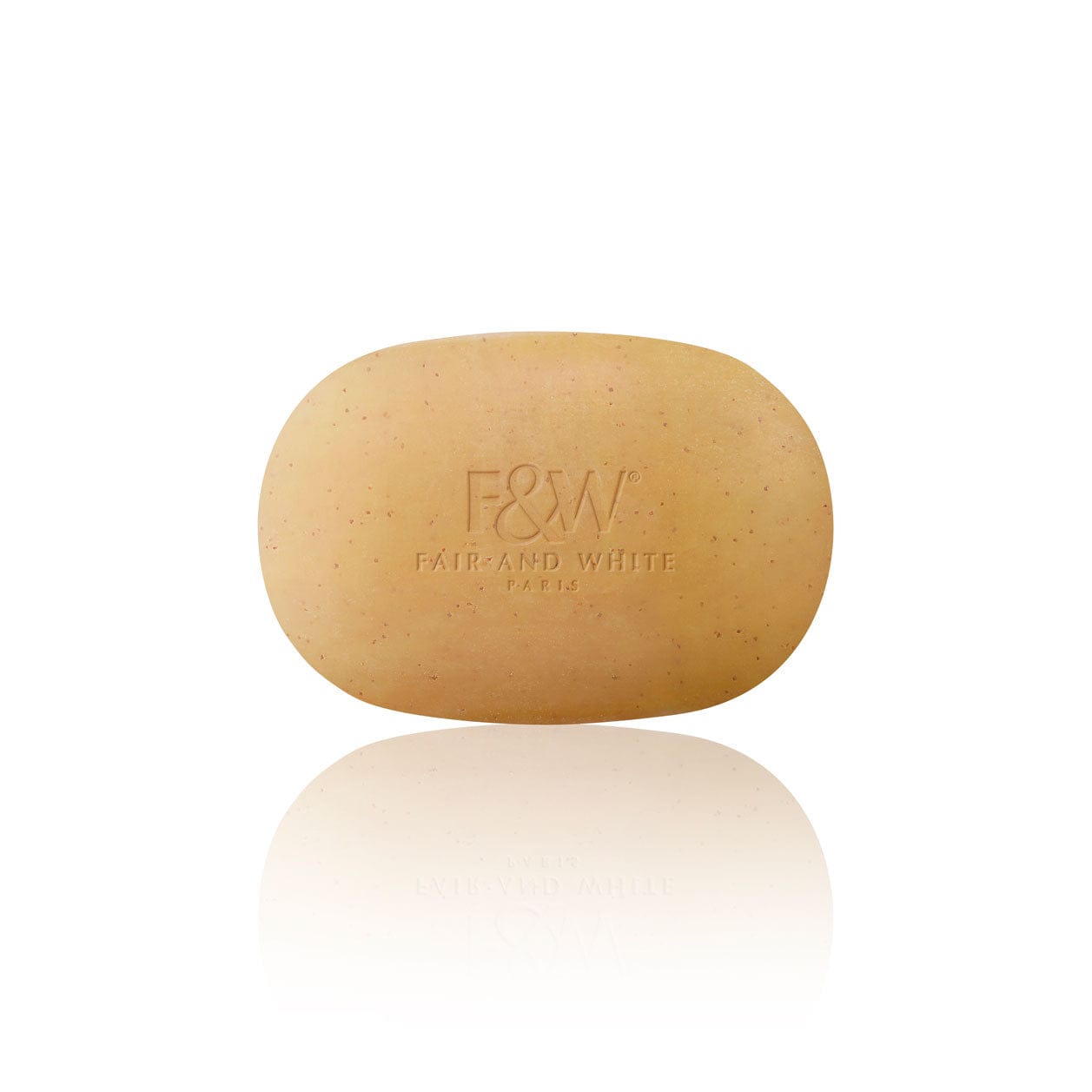
White Mulberry, a natural skin brightener, helps to reduce hyperpigmentation, promoting a more even skin tone
Dont assume any new symptom is benign while taking a compound without human safety data








:max_bytes(150000):strip_icc()/benefits-of-glutathione-89457_final-01-502464fe91b2444285b0cccf8cb0a33c.png)